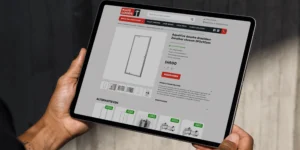
How a leading e-commerce platform reached EU Accessibility Act compliance
The European Accessibility Act (EAA) is an EU directive that sets common accessibility requirements for key products and services, including e-commerce websites and apps. It aims to remove barriers for people with disabilities and older persons so they have equal access to services across EU member states.
The challenge
- Meet EAA requirements on time, across multiple brands and markets.
- Bring legacy templates, content and front-end components in line with WCAG 2.1 AA.
- Coordinate work across design, product, engineering, content and legal teams.
- Improve usability for customers using assistive technologies, without hurting conversion or page performance.
Our solution
Our client runs multiple country sites on a shared commerce platform. We contributed to a multi sprint delivery plan that was created together with the wider project team, and we supported clarity of ownership for each stream and sprint.
-
Discovery and gap analysis
- Interpreted EAA implications for the client’s specific business model together with their legal and compliance teams.
- Reviewed accessibility across key user journeys such as home, search, product detail, basket, checkout, account and service pages, then applied improvements guided by the findings.
- Logged issues by severity and mapped them to WCAG criteria and EAA obligations.
-
Prioritised roadmap
- Clustered improvements into releases that could be shipped independently.
- Balanced “must-fix for legal risk” items with “high impact, low effort” UX wins.
- Created a quarter-by-quarter plan with sprints aligned to the client’s existing PI cadence.
-
Design system and UX improvements
- Updated the design system with accessible colour tokens, typography scales and spacing rules.
- Standardised focus states, error messaging, labels and helper text.
- Reworked key templates so they support keyboard navigation and assistive technologies from the start.
-
Front-end and platform changes
- Refactored components to use semantic HTML and ARIA attributes where needed.
- Improved structure of forms and error handling, especially in checkout flows.
- Adjusted interactive elements such as menus, filters and carousels so they are fully operable via keyboard.
-
Testing and validation
- Set up automated checks in the CI pipeline to catch regressions early.
- Ran manual testing with screen readers and keyboard-only navigation on priority journeys.
- Created an internal accessibility checklist for product owners to use in future releases.
-
Capability building
- Documented “how to design and build accessible features” in the client’s internal playbook.
- Defined ownership and governance so accessibility stays part of the normal delivery process.
Example improvements
- Navigation and structure
Clear heading structure, skip-to-content links, consistent landmarks and logical tab order. - Product pages
Descriptive alt text for images, accessible image galleries, clear hierarchy of information and improved contrast for pricing and CTAs.
Impact
Within the first release cycles the client saw:
- Accessibility scores on key templates improving from the mid-60s to above 90 in internal audits and Lighthouse checks.
- Fewer accessibility issues reported by customer support and internal QA.
- Clear, auditable evidence that the platform is progressing toward EAA readiness ahead of the 28 June 2025 deadline.
Beyond compliance, the work resulted in cleaner UI, more consistent components and better usability for all customers, including those on mobile devices and slower connections.
Why WeAreBrain
WeAreBrain combined accessibility expertise with practical product and engineering delivery. By integrating EAA work into the client’s existing agile processes, we helped them move from one-off fixes to a repeatable way of building inclusive digital products that support long-term compliance and better customer experience.
Related
Cases
Bold ideas. Extraordinary impact. Explore how we craft digital experiences that shape the future and leave a lasting imprint across generations.